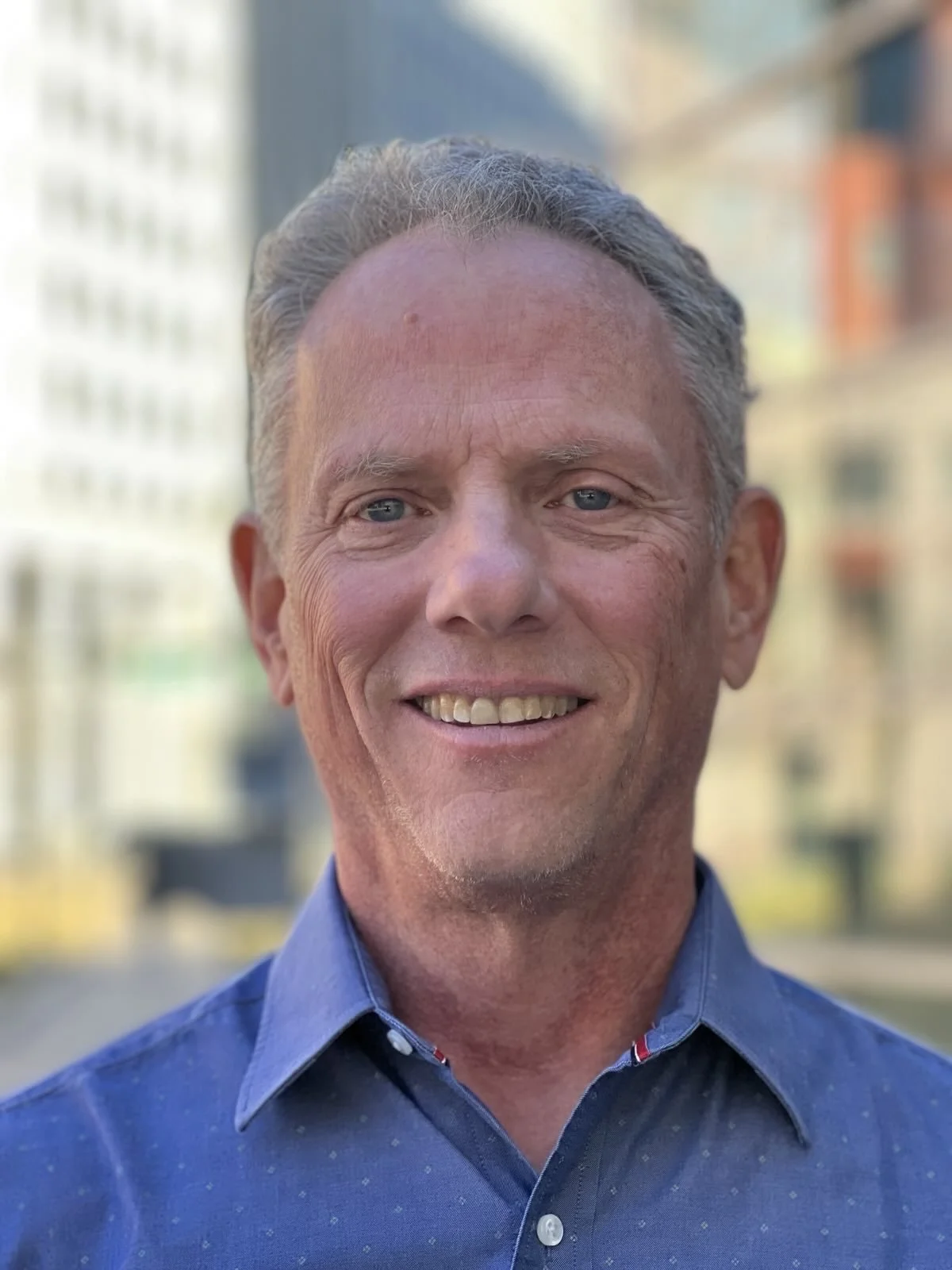
About Brian
Before I got licensed, for a few years, I started in mental health with children in acute psychiatric hospitals and day programs. A good deal of them had experienced trauma or radical life transitions.
As I went to school, I interned at the Arkansas State Hospital with Adults, then at the psychiatric BridgeWay Hospital, working with teens and adults.
When I started practice in 1995, I worked with kids of all ages and their families. I learned quickly that practical considerations, housing, home life, stability, relational problems had as great an immediate impact on their lives as treating a mental health disorder.
In the third year of my career I transitioned from children to adults exclusively, realizing that I could have had a perfect session with a child, but the health and ability of the parent is primary for both. Even a slight improvement with a caregiver/parent effected the whole future life of the child and the family.
As I learned, the therapists I most respected at work, which had 300 therapists, happened to all be under a single peer/supervision group that has been going on for years, and still goes on back in Arkansas.
I attended for a few years there, gaining from life long therapists that worked on their clients’ issues, and their own. The training I got from very experienced clinicians and psychiatrists was three hours per week, plus case supervision from one psychiatrist who followed all my cases over time. 30+ hours of direct therapy per week for years. This early clinical experience was deeply impactful, the biggest influence on how I practice today.
I have always had a natural interest in psychology, and I have learned a good deal of technique over the years. I only keep what seems to work, it has to make sense to me, and I get more training every year, I have worked with all ages, 3-93, in therapy, and this has allowed me the priviledge to see the arc of life, and the long shadow of early problems, progression and development of healthy and unhealthy in lives and families and how abrupt changes and grief impact in the lives of many people and their families.
Key points I have learned slowly:
Caring for the client, listening closely.
A genuine interest in their getting better.
Having healthy boundaries with the client.
Setting impactful and realistic goals, and triaging what to tackle first.
Shaping the therapy to fit the time, finances and goals of the client.
Speaking honestly and plainly, knowing the client is the real expert in their own life.
After years, every once in a while I learn that almost all the things I work on with others in the office applies to my life as well. Fresh developmental stages do not belong only to thirteen-year-olds. They keep arriving, often unexpected, throughout life.
I get training every year. I take technique seriously and keep training current. Therapy is not a classroom, but there can be things to learn and practice and take outside the therapy room. We apply therapy judiciously, after rigorous listening and paying close attention to detail and the particular aspects of your life.
Recent and ongoing professional development includes:
2024: CCPT-II training with Dr. Ruth Lanius and other trauma clinicians
2025: In-person training event with Nancy McWilliams in Denver (saw her first in 2006 when she came through town).
2026-2027: Additional training to be focused on mature clients.
Ongoing peer consultation with clinicians I respect, as my caseload grows, to make sure the work stays grounded and useful.
For 2026, I am training on Men’s issues. Also, I read a book by therapist Terrence Neal:”I Don’t Want to Talk About It”. (Neal is a nationally recognized Men’s therapist. A good book.)
I try to practice what I preach, emphasis on try.
I do believe in simple things: a daily walk with my old dogs at sunup or sundown is my intentional grounding; putting healthy routines in place; repairing connections that have been lost or placed under stress. My wife and I try to stay connected to friends and family, and to stay open to new things as life and time allow.
A Note on “Good Enough” Counseling
I named the practice “Good Enough” because therapy is not about perfection. It’s about showing up, honoring the part of you that wants things to be better, and building change that translates into real life.
Also, Alfred Winnicot coined “The Good Enough Mother” the idea of treating both yourself and others well is intimately connected to health.
The best way to figure if you’re a good fit with a therapist is to talk or video with them. Shop around. Consider me.